


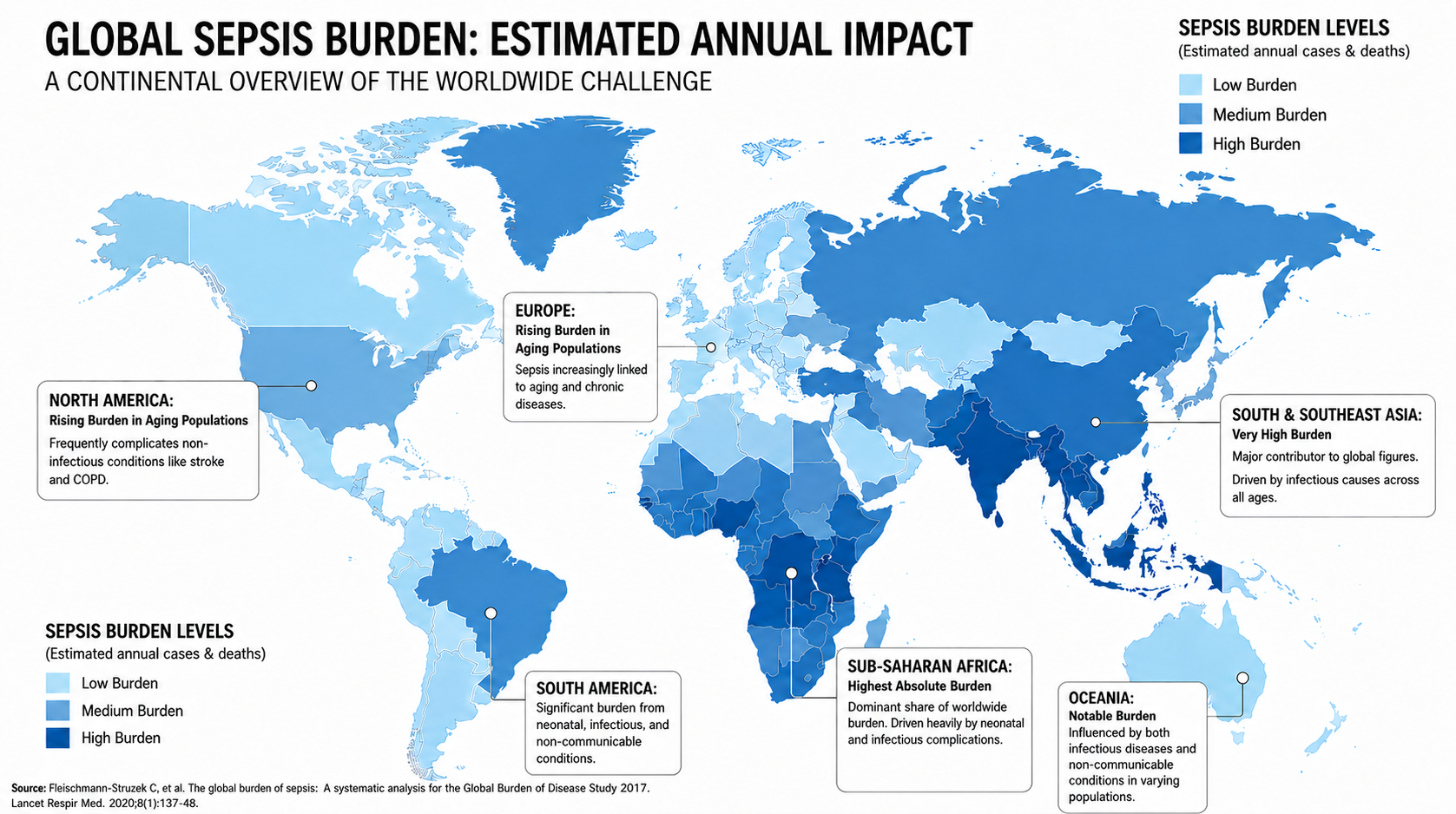
50 Million Infections Per Year
Sepsis is a rapidly escalating, preventable medical emergency. Without immediate pathogen identification and targeted treatment, a patient’s mortality risk increases exponentially every passing hour. [1]
11 Million Deaths Per Year
Ranking as the primary driver of mortality and readmissions in U.S. hospitals, this aggressive condition ultimately claims the lives of nearly one in five affected patients globally. Mortality rate increases 7.6% every hour sepsis is left untreated.[1,2]
1 in 5 Deaths Worldwide
Sepsis accounts for a staggering percentage of global fatalities, claiming an individual life every 2.8 seconds. It remains a critical, unaddressed gap in modern acute care. [3]
$62B in US Healthcare Costs
As the single most expensive condition treated in the U.S. healthcare system, its impact lingers long after discharge—leaving up to 50% of survivors with permanent, long-term effects. [4]

The current standard of care for sepsis diagnostics relies on an outdated timeline, frequently requiring 12 to 72 hours to produce actionable data. In a clinical setting, every passing hour drastically compounds a patient's risk. Because sepsis remains the foremost driver of hospital mortality, it requires immediate, definitive intervention rather than empiric treatment.
Traditional diagnostic workflows rely on a three-step process—culture incubation, colony isolation, and patheogen ID—consuming in total 12 to 72 hours.
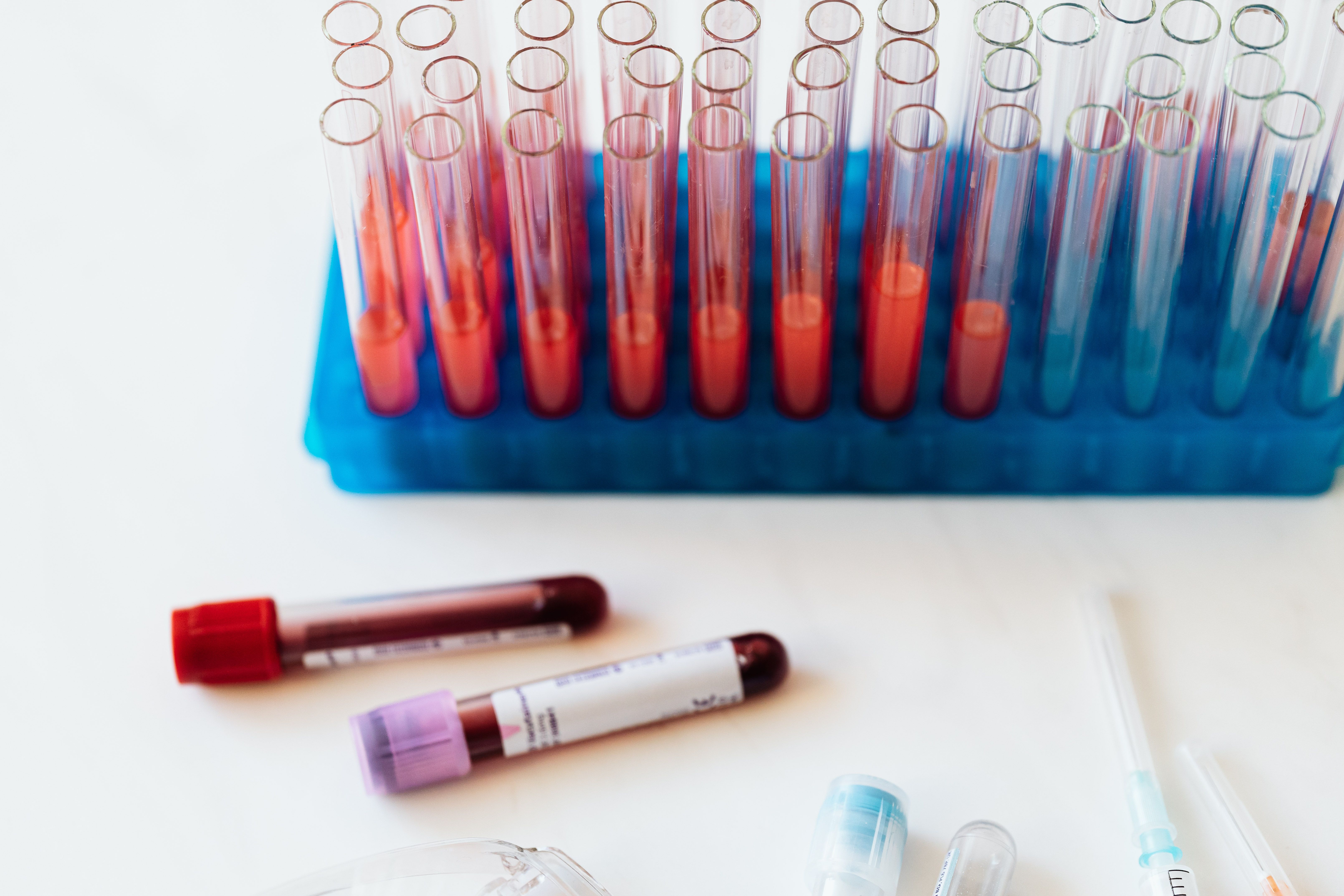
Culture bottles are incubated and continuously monitored for growth of a bacterial culture.
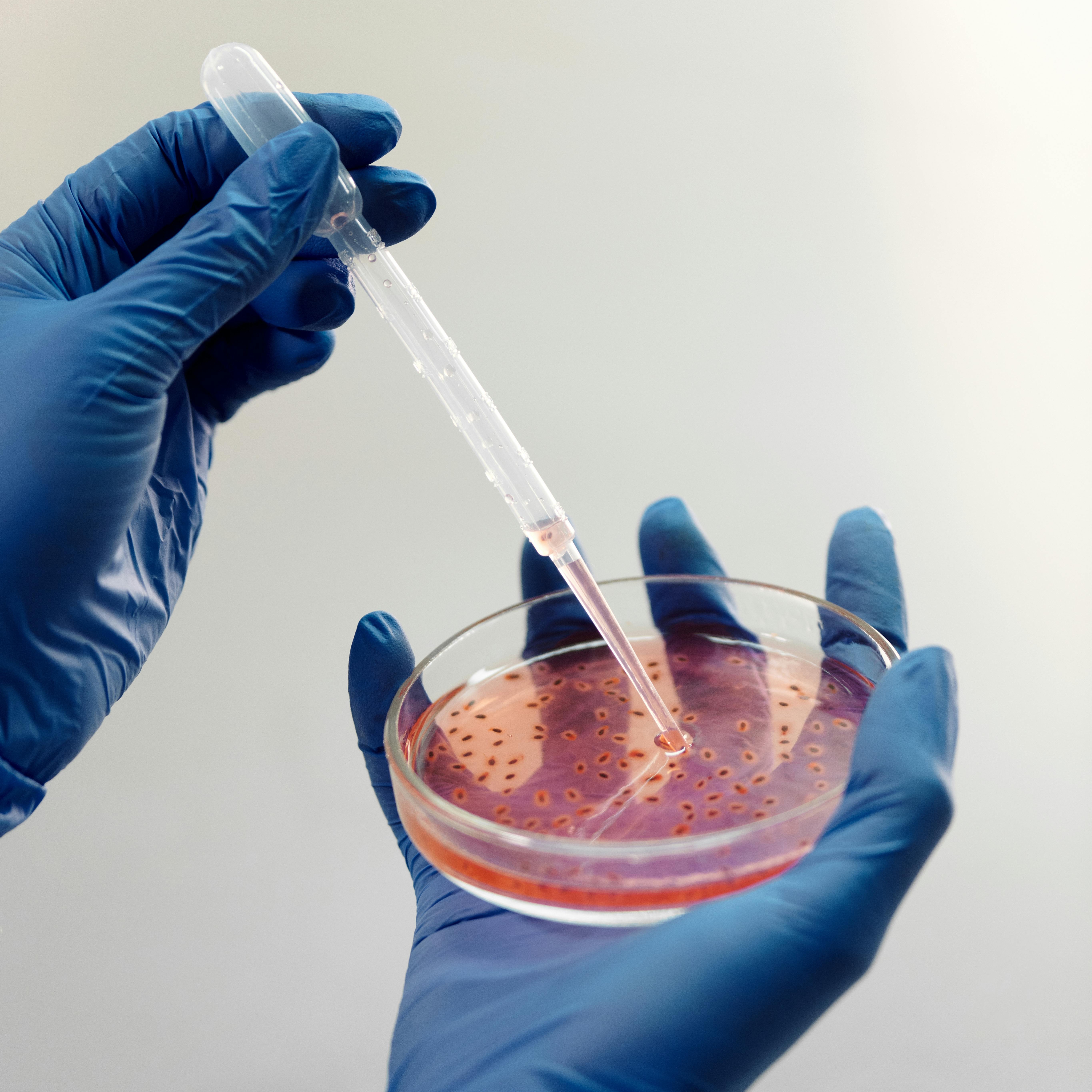
Once flagged positive, a culture is smeared on a agar plate, waiting for distinct colony growth.
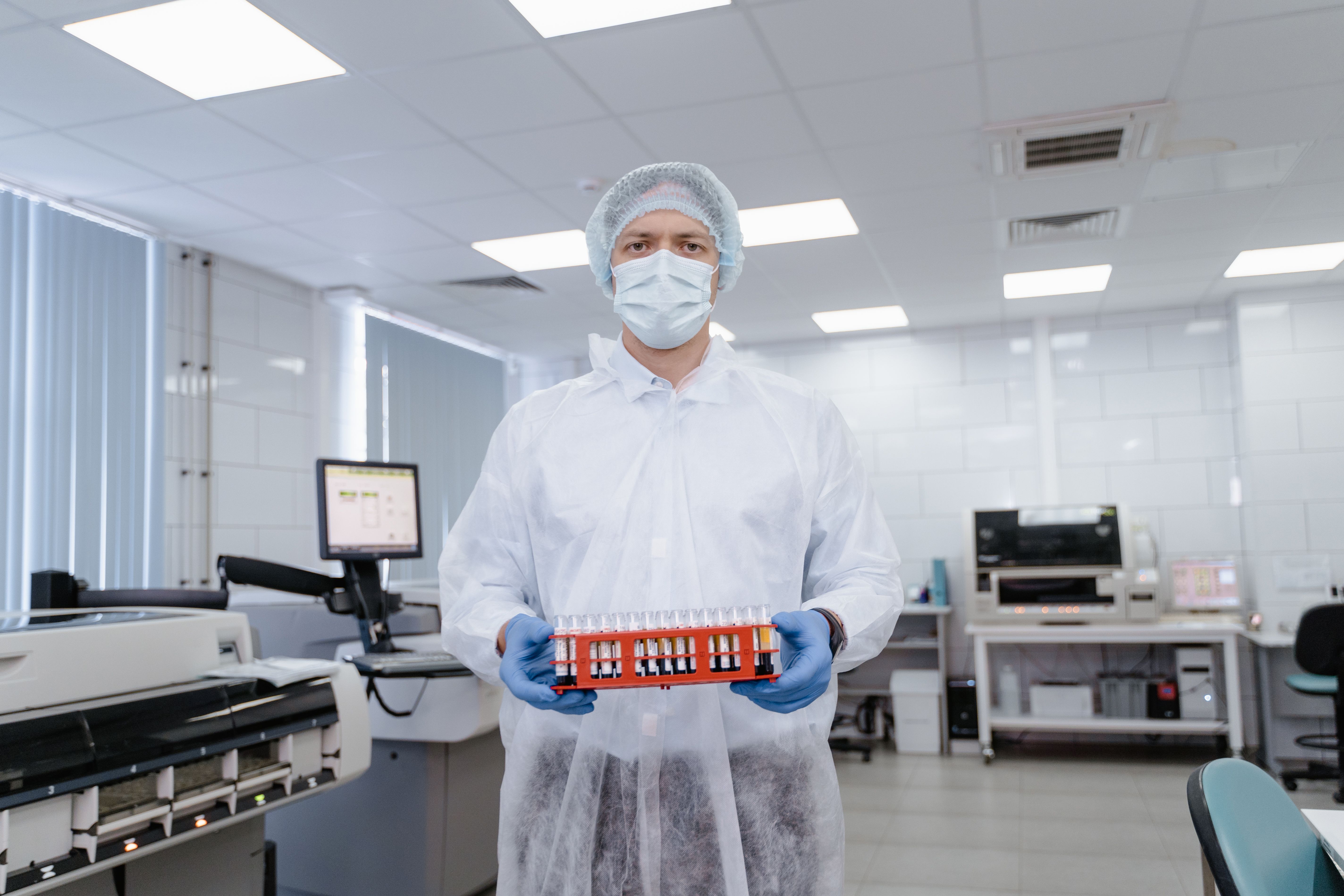
Technicians harvest colonies and perform species identification (ID).
In 1 mL of human blood
5.5 Billion Red Blood Cells
500 Million Platelets
10 Million White Blood Cells
4 Total Bacteria
Approximate volume
90%
9%
0.2%
0.00000000072%
Conventional sepsis testing currently struggles to deliver results in timeframes that matter. Our patented technology enables rapid bacterial isolation, reducing testing time by 99%. Faster diagnostic workflows means reduced patient risk and higher mortality outcomes.
Centrifugal isolation enables rapid pathogen ID within 20 minutes.


